As children with developmental and communication challenges grow into adolescence and young adulthood, their needs evolve in meaningful ways. While early intervention and school-based services often provide strong foundations, the transition into adulthood can present new and complex challenges—particularly in areas such as independence, communication, employment and social connection.
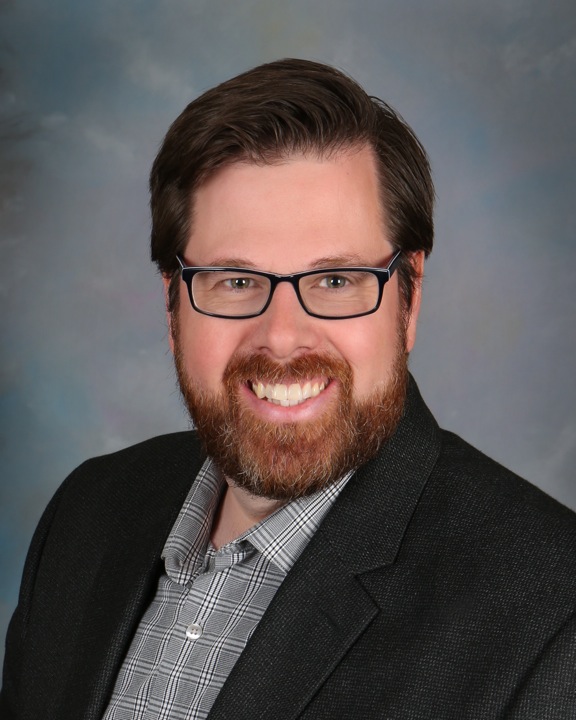
Joel Desotelle, a licensed pediatric occupational therapist and program director of Keystone Life Skills Center, has dedicated his career to helping young people overcome these challenges. He shares some tips below.
The Keystone Life Skills Center was developed to help meet the need for continued support. Serving individuals approximately 12 to 21 years old, the program focuses on bridging the gap between traditional pediatric therapy and the real-world demands of adult life.
While occupational therapy and speech therapy remain core components, the emphasis shifts toward practical, functional life skills. These include developing independence in daily routines, improving social communication, navigating community environments and building the foundational skills necessary for employment and further education.
A key part of this approach involves structured social groups and community-based outings. These experiences allow participants to practice skills in real-life settings—whether that means interacting with peers, ordering food, using transportation or participating in group activities. For many individuals, these are not intuitive skills, and having guided, supportive opportunities to practice them can make a significant difference.
Equally important is the creation of a space where older teens and young adults feel a sense of belonging. As individuals age out of school-based services, they often lose not only structured support but also a place where they feel understood. Programs like Keystone Life Skills Center provide a safe and supportive environment where individuals can continue to grow, connect and develop confidence in their abilities.
Another important aspect of the program is collaboration. Keystone Life Skills Center works alongside community partners to help individuals and families prepare for the next stage of life. This may include connecting with vocational programs, adult service providers or other community resources that offer continued support beyond the program itself.
Access to services typically begins with a referral from a physician or primary care provider, ensuring that care is coordinated and tailored to each individual’s needs.
As a community, recognizing the importance of continued support during the transition to adulthood is essential. With the right guidance, opportunities and environment, young people can build the skills they need not only to function, but to thrive.